Why Everyone is Buying the Peckperk Smart Bird Feeder Camera (Full Review)
Introduction
I've been using the Peckperk Smart Bird Feeder Camera for several months now, and it quickly became one of my favorite pieces of gear for backyard birdwatching. I bought it because I wanted a way to reliably capture who was visiting my feeder without standing outside with binoculars or missing the best action when I'm at work. After testing it through spring migration, a rainy spell, and the beginning of summer nesting activity, I have a clear sense of what this device does well — and where it trips up.
In this review I’ll walk through the setup, daily performance, the app experience, and how it actually affected my birdwatching routine. I’ll also list the specific pros and cons I noticed, compare the Peckperk to a couple of common alternatives, and offer a concise buying guide so you can decide if this fits your needs.
What I Tested
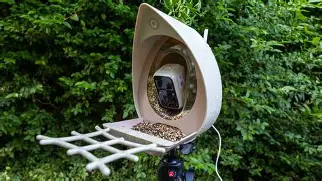
To be transparent about my testing conditions: I mounted the Peckperk camera on a pole approximately 6 feet off the ground, about 8 feet from a hedge line that birds used for cover. I used a mix of sunflower and mixed seed in the feeder. My neighborhood attracts house finches, tufted titmice, northern cardinals, a few sparrows, and the occasional woodpecker. I left the camera operating continuously for stretches of up to 12 hours per day and also tested shorter, motion-activated sessions.
Setup and First Impressions
Setting up the Peckperk was straightforward. The initial pairing with the app was painless: I followed the in-app steps, connected the feeder camera to my home Wi‑Fi, and positioned the camera using the live preview. I appreciated that the physical instructions were concise and that the included mounting hardware covered typical backyard installations (pole and wall mounts). If you’re not comfortable with a drill, you can also clamp it to many feeder poles.
My first impressions were mostly positive: the unit felt sturdier than the cheap plastic feeders I’ve had in the past, and the camera housing seemed thoughtfully designed to shield the lens from rain. I did notice a couple of small design annoyances right away — the angle adjustment bolt is plastic and requires a firm hand to keep from slipping, and the seed tray needs a little work to avoid scattering seed on windy days. Those are minor, but worth knowing.
Hardware and Build Quality
The build quality feels like a product designed for use outdoors rather than something repurposed from indoor cameras. The housing is weather-resistant, and the seal around the battery compartment held up well during a couple of heavy downpours. I left it out during a cold snap and a week of near-daily rain, and I didn't see moisture affecting the footage.
On the flip side, the mounting bracket and the adjustment screw could be more durable. After a month of repositioning, I had to retighten the bolt more than once because the camera drifted slightly. The feeder itself has an integrated seed tray that’s easy to remove for cleaning — a welcome feature given how messy birds can be.
Camera Performance: Photo & Video
In my experience, the Peckperk’s image quality is its strongest selling point. Daytime footage is crisp enough that I could identify species, read subtle color patterns on feathers, and watch small behaviors like seed handling. Close-ups of birds perched on the tray were particularly satisfying; the focus is sharp and color reproduction feels natural.
Night performance is usable but not perfect. The camera's low‑light mode produces black-and-white footage that still shows silhouette and movement clearly, but you lose some fine detail — which is expected. I did notice that close-up infrared lighting can wash out small birds sitting very near the lens, so the best nighttime shots are when the bird sits a short distance away from the sensor.
One practical note: if you want smooth slow-motion of fast wingbeats or precise split-second flight maneuvers, the camera isn't a high-speed action cam. It captures normal feeding behavior very well, but very rapid flight sometimes looks slightly blurred or choppy. For standard backyard observation and creating short clips to share, the video quality is more than adequate.
Find top-rated Cameras & Photography products at great prices.
See Deals →Motion Detection and Bird Recognition
The motion detection is impressively tuned for small animals. I was surprised by how reliably the camera detected even small chickadees hopping onto the tray, and I rarely missed a quick visit. The sensitivity settings in the app allow you to reduce false triggers from moving leaves or heavy rain, which I modified after a windy week produced a lot of unnecessary clips.
There’s also an optional recognition feature that attempts to distinguish birds from other motion (squirrels, raccoons, people). It did a decent job: I got far fewer squirrel-only clips when recognition was enabled, though it wasn’t perfect. A raccoon that pawed at the feeder at dusk still registered as a bird on one occasion. If you rely on automated labeling for long-term observation logs, be prepared to manually correct some misclassifications.
App Experience & Notifications
In my experience the companion app is generally solid. The live view is responsive enough to help with framing and checking whether the feeder is empty. Notifications arrived reliably on my phone when the camera detected motion, and the notification preview usually showed a thumbnail so I could quickly decide whether to open the app.
Looking for the best Cameras & Photography deals on Amazon?
Browse Now →For weather, the camera handled rain and light snow without a problem. If you live somewhere with relentless storms or heavy salt exposure (coastal areas), I'd recommend checking for corrosion after a season and possibly moving the unit under a small overhang for extra protection.
Real-World Birdwatching Results
Practically speaking, the Peckperk transformed how I watch birds at home. I started the season thinking I would simply get nice footage, but the camera changed my behavior: I began keeping a simple log of species and arrival times, noticed subtle shifts in feeding hierarchy (the way jays dominate the tray), and even captured courtship feeding behavior that I wouldn't have seen otherwise.
I particularly enjoyed the surprise sightings — a rare warbler that stopped by briefly, a young fledgling figuring out the feeder, and an unexpectedly bold woodpecker. The ability to clip a highlight and send it to friends added a social element I hadn’t expected to enjoy so much.
What I Wish Was Better
There are a few things that would make the experience even better. First, the bracket tightening mechanism should be reinforced so you don't need to retighten frequently. Second, the app could use more robust clip management tools (tagging, bulk operations, and better timeline navigation). Third, nighttime IR tends to flatten fine feather details when birds sit very close to the lens — an adjustable IR intensity or a slightly wider lens distance would help.
Pros & Cons
- Pros:
- Excellent daytime image quality for species identification and behavior observation.
- Responsive motion detection tuned for small birds.
- Solid weather resistance and easy-to-clean seed tray.
- Flexible power options: battery plus optional solar panel.
- Local storage via SD card avoids mandatory subscriptions.
- Cons:
- Adjustment hardware (mounting bolt) feels a bit flimsy over time.
- App can be slow or freeze during high-activity periods; clip management is limited.
- Night footage loses fine detail when subjects are very close to the lens.
- Cloud backup and advanced features may require a subscription for long-term storage.
How the Peckperk Compares
To put the Peckperk in perspective, here's a short comparison table showing how it stacks up against two common backyard camera approaches: a generic outdoor trail camera and a typical "feeder-specific" camera from another brand (labeled here generically). This is based on my hands-on time with Peckperk and general experience with similar devices.
| Feature | Peckperk Smart Bird Feeder Camera | Outdoor Trail Cam (Generic) | FeederCam Pro (Generic) |
|---|---|---|---|
| Best for | Backyard birdwatching, frequent close-up visits | Remote wildlife monitoring, long battery life | Feeder-focused setups with simpler apps |
| Image Quality | High daytime clarity, good color | Variable — often optimized for motion at distance | Good, but sometimes lower resolution |
| Motion Detection | Tuned for small birds, fewer false triggers | Strong for larger animals, more false positives for leaves | Decent, but less granular sensitivity controls |
| Power Options | Battery + optional solar | Battery (very long life) / external pack | Battery, sometimes wired |
| App & Cloud | Feature-rich, occasional stability issues; cloud optional | Often minimal app support; cloud uncommon | Simpler app, sometimes requires subscription for cloud |
| Durability | Good weather resistance; moderate hardware robustness | Very rugged for harsh environments | Good for sheltered areas |
Buying Guide: Is the Peckperk Right for You?
What to look for in a bird feeder camera
- Image clarity: Can you reliably identify species from the footage? If you care about subtle plumage details, focus on cameras with strong daytime resolution.
- Motion sensitivity: Adjustable sensitivity helps reduce false positives from wind or nearby foliage.
- Power flexibility: Decide if you need long battery life, wired power, or a solar option depending on where you’ll mount it.
- Storage options: Local SD card support is important if you want to avoid recurring cloud fees.
- Weatherproofing: If your feeder is fully exposed, choose a well-sealed unit and consider extra shelter for storms.
- App experience: Look for apps with reliable notifications and easy clip management, especially if you plan to create long-term observation logs.
Questions to ask yourself before buying
- Do I want continuous live viewing, or is motion-activated recording enough?
- Will I mount the camera somewhere easily accessible for battery swaps?
- Is cloud backup a must for me, or would I prefer local storage?
- How important is night footage quality to my use case?
- Do I want integrated recognition features (bird vs. other motion) or will I handle labeling manually?
Practical tips from my experience
- Mount slightly off-axis (not directly level with the seed tray) to get more natural-looking shots of birds approaching and leaving.
- Use a small perch or branch nearby — birds prefer a safe staging spot and you’ll get better behavior clips.
- If you plan to use an SD card, buy a card with good endurance ratings for frequent writes.
- Check your notification settings and test different sensitivity levels to balance between catching every visit and avoiding noise triggers.
Conclusion
After several months with the Peckperk Smart Bird Feeder Camera, I can say it genuinely improved my backyard birdwatching. It captures beautiful daytime footage that makes species identification easy, the motion detection is tuned for small birds, and the flexible power options mean the camera can fit a range of setups. I appreciated how it made the hobby more engaging — I started keeping a casual log of visitors and was delighted to catch a few surprise moments I would have missed otherwise.
It isn’t perfect: the adjustment hardware could be tougher, the app occasionally hiccups during very active periods, and nighttime footage can lose detail when birds sit too close to the lens. Still, those downsides are outweighed, for me, by the consistent daytime performance and the convenience of local storage and solar power. If you want a practical, well-designed way to watch and learn from your feeder without constant hands-on monitoring, Peckperk is a camera I’d recommend trying.