Don't Buy Until You Read This: Kodak Ektar H35N vs Dji Osmo Action 6
Kodak Ektar H35N and Dji Osmo Action 6 occupy very different places on the spectrum of photographic tools: one is a film-based, tactile point-and-shoot aimed at analog enthusiasts, the other is a modern, rugged action camera built for fast-moving video and bright, shareable content. This article compares them side-by-side so prospective buyers can choose the right tool for their needs. It covers real-world use cases, strengths and limitations, ownership costs, and practical buying advice.
Introduction: Two Cameras, Different Philosophies
The decision between a film compact like the Kodak Ektar H35N and a high-performance action camera such as the Dji Osmo Action 6 is less about which product is "better" and more about what kind of creative workflow a buyer wants. The Ektar H35N is about intentionality, the experience of film, and the look of analog emulsions. The Osmo Action 6 is about durability, stabilization, frame-rate flexibility, and instant digital results.
Buyers typically care about image quality, handling, reliability, cost over time, and how the camera fits into daily life — whether that is journaling travel on film, vlogging a day of mountain biking, or documenting family milestones. The sections below dig into how each camera meets those concerns.
Product Analysis: Kodak Ektar H35N
Overview and Design
The Kodak Ektar H35N is a compact 35mm film camera designed for straightforward operation. It appeals to photographers who appreciate the tactile feel of a film advance, the unpredictability of emulsion, and the discipline required by a limited number of exposures per roll. The design is typically lightweight and pocketable, with simple controls intended for quick street shooting or travel snapshots.
Image Characteristics
Because the Ektar H35N uses 35mm film, its "image quality" is primarily defined by the chosen film stock and the characteristics of the camera's fixed lens. Film grain, color rendition, and dynamic range will vary with the roll selected; users often pick Kodak Ektar or another color negative to emphasize saturated tones and pleasing skin rendering. The look is organic and often preferred for mood-driven photography, nostalgic projects, or when prints are the end goal.
Usability and Workflow
Using the Ektar H35N demands a different workflow than digital: shots cannot be reviewed instantly, and each roll is finite (typically 24 or 36 exposures). This encourages more deliberate composition and exposure choices. Post-capture, film scanning or lab processing is required to get digital files. For some users this is a welcomed ritual; for others it is an inconvenience and ongoing expense.
Reliability and Cost of Ownership
Mechanically simple cameras like the Ektar H35N can be reliable if treated gently. They rarely require software updates or memory cards, but they do rely on consumables: film and processing/scan costs are recurring and can add up quickly for frequent shooters. Battery needs are minimal or limited to the flash system (if present), so long outings without charging are possible.

Real-world Use Cases
- Street photography where the photographer wants to slow down and commit to each frame.
- Travel photography where the aesthetic of film adds atmosphere to landscapes and portraits.
- Personal projects, zines, or physical prints where the tactile nature of film is part of the appeal.
- Workshops or teaching settings that emphasize foundational photographic skills without instant review.
Product Analysis: Dji Osmo Action 6
Overview and Design
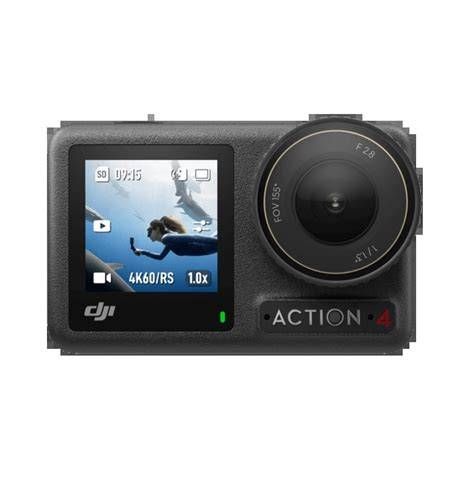
The Dji Osmo Action 6 is a purpose-built action camera designed to capture stabilized video and stills in demanding environments. It features a compact, weather-resistant body, a front-facing screen for self-framing, and mounting compatibility with a wide accessory ecosystem. It targets adventure sports, vlogging, and any situation where a durable, hands-free camera makes sense.
Find top-rated Cameras & Photography products at great prices.
View Offers →Image and Video Performance
Action cameras prioritize motion capture: fast autofocus (or fixed-focus optimised for the lens geometry), high frame rates for slow-motion, and in-camera stabilization to produce watchable footage from moving platforms. Users value clean color profiles, decent low-light behavior for the category, and options to shoot at various resolutions and bitrates depending on storage and battery constraints.
Usability and Workflow
Workflows for the Osmo Action 6 are fast and digital-first. Files are written to removable media, edited on mobile or desktop, and shared almost instantly. The companion app allows for remote control, quick edits, and easy file transfer. Batteries are user-serviceable but will need to be managed on long outings. Waterproof capability without an external case and stable footage straight out of the camera make it attractive for outdoors and water sports.
Reliability and Cost of Ownership
Action cameras generally require firmware updates and occasional maintenance (lens cleaning, gasket inspection). Consumables include microSD cards and spare batteries. Compared to film, the ongoing cost tends to be lower per image or minute of footage, especially for frequent shooters. Accessories such as mounts, gimbals, and external microphones can increase the total spend but expand functionality.
Real-world Use Cases
- Documenting active sports like mountain biking, skiing, surfing, or skateboarding.
- Vlogging and content creation…
Considerations by Use Case
1. The Traveler Who Wants Tangible Memories
If the goal is a slow travel diary where printed photos, postcards, or physical albums matter, the Kodak Ektar H35N is compelling. Film encourages looking for light and decisive moments, producing images with a character that is difficult to replicate digitally. However, factor in the cost and logistics of buying film and sending rolls to a lab, especially when traveling abroad.
2. The Adventurer and Action Athlete
For surfing, mountain biking, or any activity requiring robust stabilization and waterproofing, the Dji Osmo Action 6 is the practical choice. It is designed to be mounted, dropped, and used in harsh conditions while delivering immediate footage for editing and sharing.
3. The Content Creator / Vlogger
Creators who need instant review, reliable audio options, and easy editing pipelines will prefer the Osmo Action 6. The ability to capture high-frame-rate footage for smooth slow motion, and to pair with apps for quick cuts, makes it the more efficient tool for frequent digital content creation.
Discover deals on Cameras & Photography — updated daily.
See Deals →4. The Photographer Seeking a Different Process
Those who want to learn or appreciate photographic fundamentals — exposure, light, and composition — may find the Ektar H35N more rewarding. Its limitations are also its advantages: constraints lead to creativity.
Practical Buying Tips
- Budget for ongoing costs: For the Ektar H35N, include film, processing, and scanning in the budget. For the Osmo Action 6, include spare batteries, a few fast microSD cards, and perhaps a small selection of mounts.
- Try before committing: Borrow a film camera or rent a compact action camera if possible. The tactile difference and workflow preference are personal and hard to predict until experienced.
- Accessory planning: For the action camera buyer, invest in extra batteries and at least one reliable mount. For the film buyer, look into local labs and scanning options to understand turnaround times and quality.
- Consider hybrid workflows: Some photographers shoot film for special projects and use an action camera for documentation, combining analog prints with digital video reels.
- Durability and treatment: Film cameras can be fragile; if the Ektar H35N will be used in rough conditions, consider protective cases. Action cameras are made for rough use but still benefit from lens-care and gasket checks.
Real-World Comparisons: Practical Scenarios
Family Outing in a Park
For a parent wanting photos to put in a family album, the Ektar H35N offers memorable, print-ready frames and an enjoyable ritual of waiting for the scans. For a parent who wants to quickly post a highlight reel of children running and playing, the Osmo Action 6 makes capturing toys-in-motion and short clips effortless.
Backcountry Hike
An action camera wins for rugged, wet, or active environments because of its weather sealing and compact mounting options. The film camera can still produce beautiful landscape frames if carried safely and used selectively, but the risk of exposure to elements and the lack of instant results make it a secondary choice for most hikers.
Street Photography and Urban Exploration
The Ektar H35N’s unobtrusive look and analog character are well suited to candid street work. Its weightless profile and simple controls allow blending into scenes. The Osmo Action 6, while small, signals modern tech — useful for POV sequences but less ideal for stealthy single-frame street photography.
Conclusion
Deciding between the Kodak Ektar H35N and the Dji Osmo Action 6 ultimately comes down to choosing a creative process. The Ektar H35N rewards patience, deliberate framing, and the analog aesthetic — it is a tool for the slow photograph and tactile memory-making. The Osmo Action 6 rewards immediacy, motion, and resilience — it is a tool for documenting movement and sharing polished digital content quickly.
For buyers who prioritize atmosphere, physical prints, and a hands-on learning curve, the Ektar H35N is a meaningful choice. For those who need stabilized video, waterproof durability, and rapid digital workflows, the Osmo Action 6 is the sensible option. Many photographers find room for both: using film for special projects and an action camera for everyday adventures. Evaluate the workflows, recurring costs, and how each camera aligns with the types of moments one most wants to capture before making a purchase.